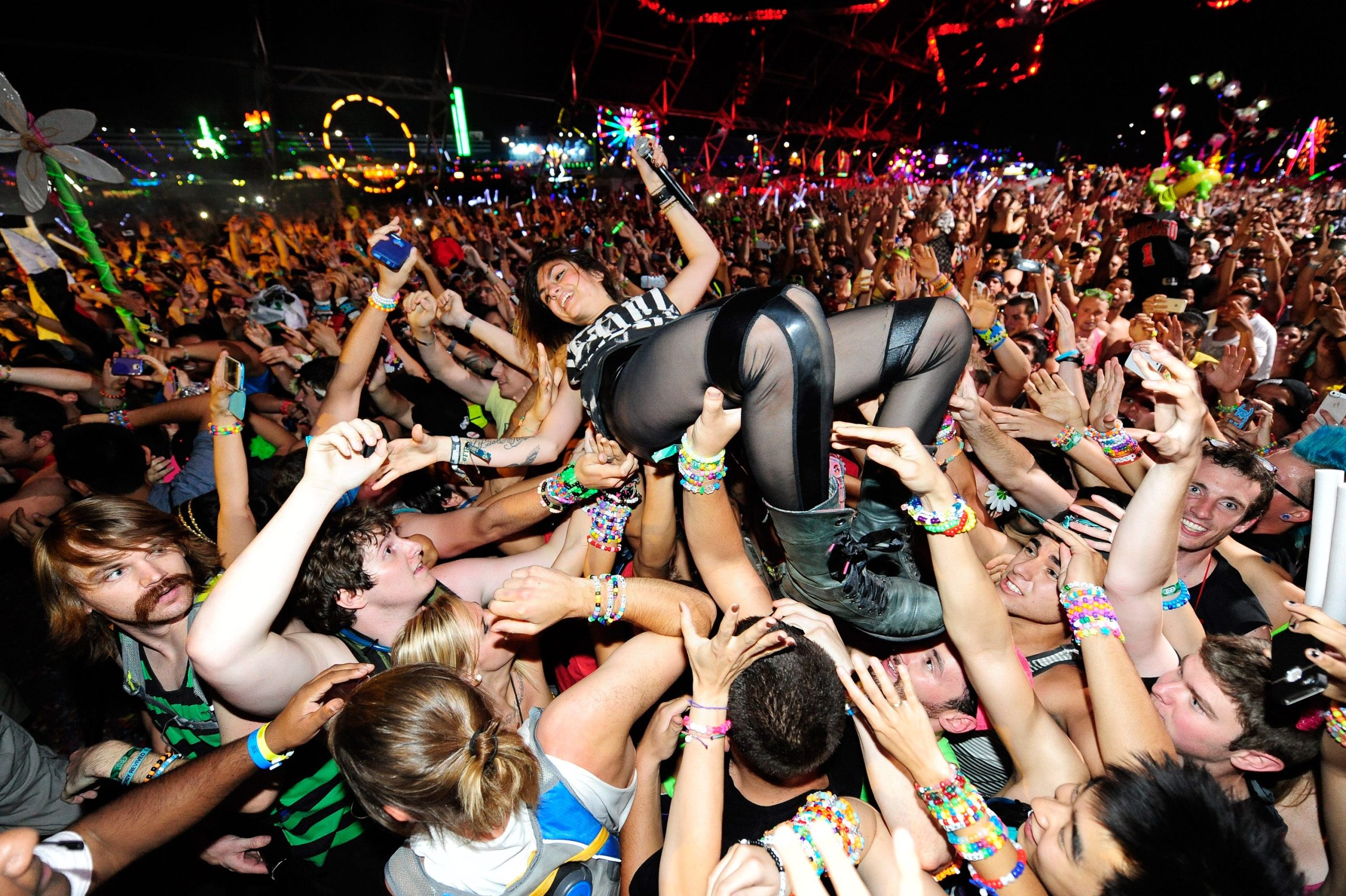
The Evolution of Club Dance Culture
Modern clubs have transformed into dynamic spaces where music, technology, and social influence collide. Dance floors are no longer just places to move—they’re stages for expression, creativity, and viral trends fueled by global connectivity. As DJs push boundaries with hybrid genres, dancers respond with fresh styles that define tonight’s nightlife and tomorrow’s culture.
Social Media’s Impact on Club Dance Trends
Social platforms have become powerful engines for what catches fire on dance floors. Viral challenges, short-form videos, and influencer-led styles quickly jump from screens to real-world clubs. What once took months to spread now becomes a trend within days.
Why These Trends Spread So Fast
- Instant visibility from global creators
- Repeatable choreography that crowds can learn quickly
- Music tailored for loops, beats, and drops
- Audience engagement as dancers imitate, remix, and reinterpret moves
Top Dance Trends Dominating Modern Clubs
1. Groove-Based Micro-Moves
Instead of large, choreographed sequences, today’s dancers favor tight, rhythmic micro-movements synced to bass-heavy tracks. These stylish moves emphasize:
- Subtle arm and shoulder isolations
- Smooth footwork
- Controlled torso motions
They are easy to pick up, highly expressive, and fit perfectly in crowded club environments.
2. EDM Drop-Driven Movements
With the rise of hybrid EDM, dancers synchronize their energy to massive drops and build-ups.
Key characteristics include:
- Jump-style footwork
- Beat hits during synth stabs
- Exaggerated body pulses
- Crowds moving collectively during heavy drops
3. Afro-Fusion Club Styles
Afrobeats continues shaping nightlife with energetic, joyful rhythms that inspire freestyle-friendly movement. Styles influenced by this trend feature:
- Hip-driven patterns
- Syncopated footwork
- Group-friendly choreography
DJs now blend afrobeats with house, creating high-vibe dance moments that dominate peak hours.
4. Latin Club Waves
Reggaeton and Latin-house influence nightlife worldwide. Modern clubs embrace these infectious rhythms through:
- Body rolls
- Hip sways
- Partner-friendly moves
The mix of sensuality and rhythm makes Latin-inspired styles crowd favorites.
5. Shuffle & Cutting Shapes Revival
What started as a festival craze has returned to clubs with cleaner, faster footwork.
Defining elements:
- T-step variations
- Running man adaptations
- Quick directional changes
Shuffling fits perfectly with techno, EDM, and house, letting dancers express high energy without strict choreography.
6. Hip-Hop Bounce Hybrids
A softer, groovier version of hip-hop is back, merging old-school bounce with new-age swag.
Popular features include:
- Loose, grounded steps
- “Bounce-and-rock” motions
- Freestyle expressions
This trend brings raw authenticity to club floors.
Technology’s Influence on Modern Dance Trends
LED Environments Encouraging Performance
Clubs increasingly use LED floors, reactive visuals, and lighting synced to music. Dancers respond instinctively, turning simple moves into visually amplified performances.
AI-Enhanced DJ Sets
AI-supported mixing creates smoother transitions and unexpected drops that inspire dancers to adapt with quick stylistic changes, fueling spontaneous new trends.
How DJs Shape Dance Evolution
DJs curate the energy of the room. Their choices influence how dancers move through:
- BPM variations
- Beat breaks
- Genre shifts
- Crowd-reading techniques
When DJs blend genres, dancers naturally blend styles, giving birth to hybrid dance trends.
What’s Next for Club Dance Culture
Nightlife continues to evolve toward inclusion, expression, and creativity. The next phase may include:
- More global fusion styles
- Motion-reactive dance interactions
- Influencer-led club choreography
- Community dance waves driven by digital culture
Modern club dance is a living organism—constantly reinvented by the people who step onto the floor.
FAQs
1. What makes a dance trend go viral in clubs?
Trends spread quickly when they are easy to learn, visually appealing, and supported by popular music or social media.
2. Are club dance trends choreographed or freestyle?
Most current trends mix both—simple repeatable steps blended with freestyle creativity.
3. What music genres influence modern club dance the most?
EDM, afrobeats, reggaeton, hip-hop, and hybrid electronic genres heavily shape today’s dance styles.
4. Why are micro-movements popular in clubs now?
Crowded dance floors make subtle, groove-based moves more practical and visually stylish.
5. Do DJs intentionally encourage certain dance trends?
Yes, through beat drops, tempo changes, and genre fusion, DJs guide how people move on the floor.
6. Are partner dances making a comeback in clubs?
They are, especially with the rise of Latin and afrobeats styles that encourage paired interaction.
7. How do lighting and visuals impact club dancing?
Dynamic lighting and LED effects enhance movement, inspiring dancers to match the atmosphere with expressive motion.
