Introduction
Nightclubs have long been mirrors of society’s creative energy, social dynamics, and cultural transitions. Their evolution reflects shifts in music, technology, fashion, and community identity. From prohibition-era hideaways to today’s global superclubs, nightlife has undergone a remarkable transformation shaped by innovation and social change.
Early Foundations: 1900s–1930s
The Jazz Age and Prohibition
The earliest nightclubs emerged from cabarets and speakeasies. These hidden venues offered a space where people could socialize freely despite alcohol bans.
Key characteristics included:
- Live jazz bands
- Dance floors for swing and Charleston
- A mix of social classes sharing the same nightlife spaces
These early clubs laid the groundwork for music-centered nightlife where cultural expression thrived.
Post-War Transformation: 1940s–1950s
Rise of Dance Halls and Big Band Entertainment
After WWII, nightclubs shifted toward big band performances and glamorous dance halls. Fashion and nightlife became more polished, and clubs served as gathering hubs for young adults seeking excitement and liberation after years of conflict.
What defined this era:
- Live orchestras
- Ballroom dancing
- Formally dressed patrons
- Sharper distinctions between upscale and casual venues
The Disco Revolution: 1960s–1970s
The arrival of disco marked a dramatic shift in nightclub culture. Music transitioned from live bands to DJ-driven sets, giving the dance floor a new level of energy and inclusiveness.
Hallmarks of the Disco Era
- Mirror balls, colorful lights, and lavish décor
- The rise of celebrity-driven venues like Studio 54
- A focus on dance freedom and expressive fashion
- Greater social mixing among diverse communities
Nightclub culture during this period evolved into a celebration of identity, liberation, and hedonism.
Electronic Music and Club Movements: 1980s–1990s
Birth of House, Techno, and Rave Culture
The digital revolution reshaped nightlife again. DJs became the driving force of club identity, and electronic music defined a new global movement.
Influential developments:
- Chicago house and Detroit techno
- Acid house and the UK rave scene
- Underground warehouses replacing traditional club structures
- The shift to DJ superstar culture
Technology—particularly synthesizers and drum machines—allowed new sounds that transformed dance floors worldwide.
The Superclub Era: Late 1990s–2000s
As nightlife expanded globally, massive venues known as superclubs emerged. These clubs attracted international DJs and crowds numbering in the thousands.
Distinctive Features
- Mega-sound systems and advanced lighting rigs
- Multi-room layouts with genre-specific spaces
- VIP culture and bottle service
- Strong influence on fashion and lifestyle trends
Nightlife became a major economic force, with clubs shaping tourism and global entertainment markets.
Modern Nightlife: 2010s–Present
Technology, Social Media, and Immersive Experiences
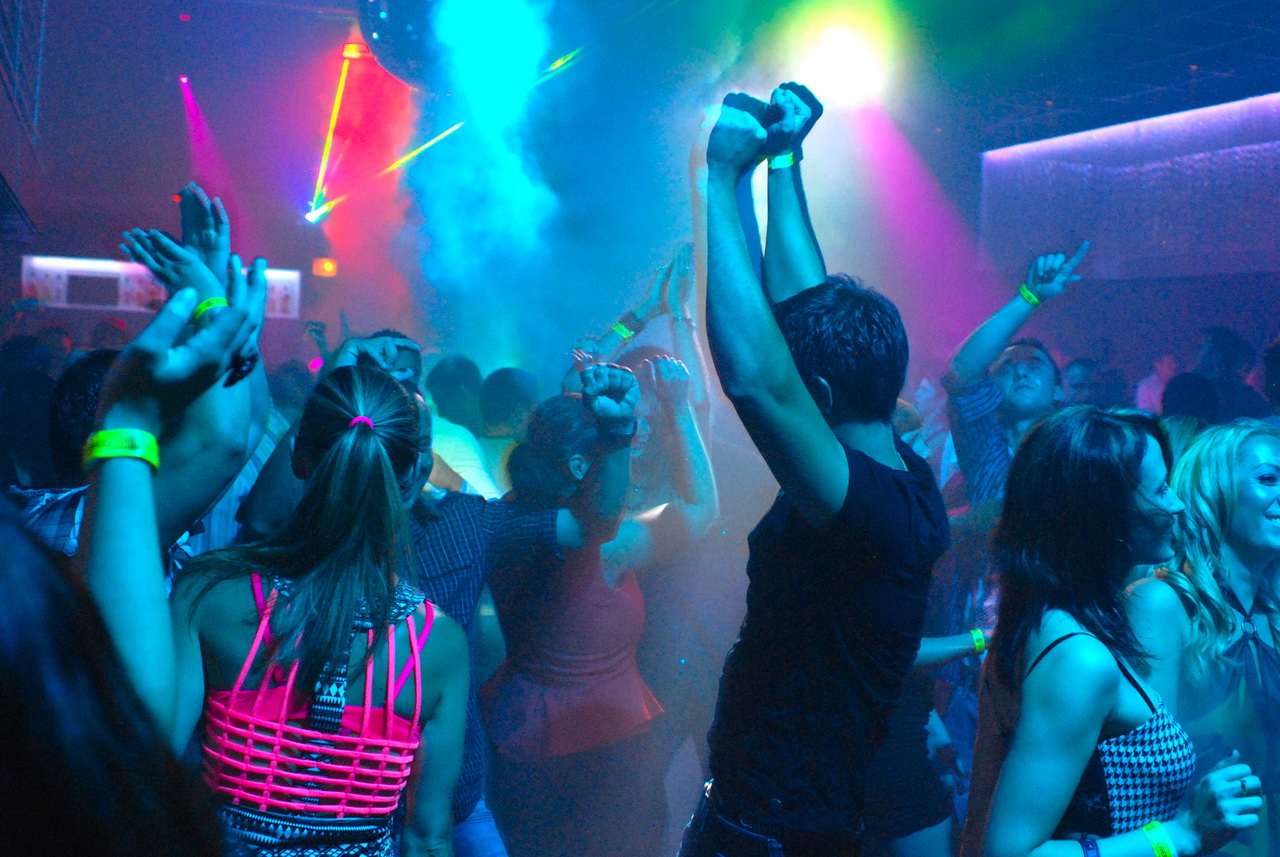
Contemporary clubs prioritize sensory immersion, blending music with visuals, digital effects, and social connectivity.
Current trends include:
- LED walls and 3D projection mapping
- EDM dominance in global nightlife
- Hybrid venues merging dining, entertainment, and art
- Social media shaping club aesthetics and experiences
- Increased emphasis on inclusivity and safe spaces
Sustainability, diversity, and digital innovation now guide the future direction of nightclub culture.
The Cultural Impact of Nightclubs
Nightclubs have influenced far more than entertainment. They have shaped:
- Music genres, from jazz to EDM
- Fashion trends, including disco glam, rave neon, and streetwear
- Youth identity, offering spaces for freedom and community
- Social movements, particularly LGBTQ+ visibility and expression
Nightclubs are not merely places to dance—they are powerful cultural incubators.
FAQs
1. When did nightclubs first become popular?
They gained prominence in the early 20th century, particularly during the Jazz Age and Prohibition era.
2. What made disco nightclubs different from earlier venues?
Disco shifted focus to DJ-driven music, expressive fashion, and inclusive dance floors.
3. How did electronic music influence nightclub evolution?
It introduced new sound technologies, enabled rave culture, and elevated DJs to cultural icons.
4. What defines a modern superclub?
Large capacity, global-scale production, high-profile DJs, and multi-room immersive environments.
5. How have nightclubs supported social movements?
They’ve provided safe spaces for marginalized communities, especially LGBTQ+ groups, to express identity.
6. Why is technology so important in today’s nightclub experience?
Advanced lighting, sound, and visual effects create immersive atmospheres that modern audiences expect.
7. Are traditional small clubs still relevant today?
Yes—intimate venues remain vital for emerging artists, underground scenes, and community-focused nightlife.
If you’d like, I can also create a downloadable PDF version or tailor the article for SEO, academic use, or publication.
